The golden rule for safe summer beach trips
20 June 2026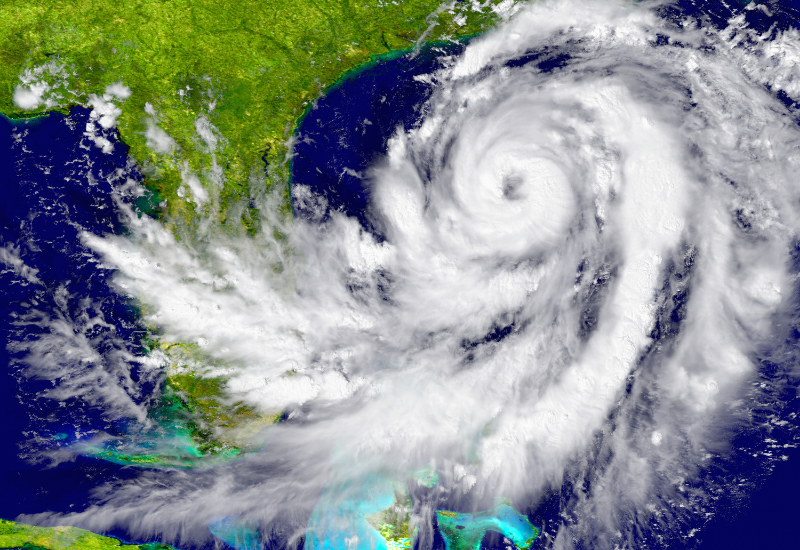
You want a beachy summer without the hurricane nonsense, right?
Summer is classic for spending time at the beach – and it makes sense. The grandkids are out of school, and the weather is almost consistently sunny (except for those late afternoon rain showers).
In fact, smart travelers know that going to the Caribbean in the summer means fewer crowds, a more relaxed pace, and typically good prices on accommodations that are almost always booked solid in the deep winter months. Even better, you don’t have to worry about your flights getting canceled because of a Northeast snowstorm!
Of course, there’s that one unpredictable wildcard that can threaten beach trips between June and November, and that’s hurricanes. Still, the risk of a hurricane smashing into your beach vacation shouldn’t be a deal breaker. You just have to know how the hurricane zone works and how to protect your trip before the skies turn gray.
Understanding the Hurricane Zone
When people think of hurricanes, they often picture isolated Caribbean islands. But the reality of typical storm paths is much broader, even before climate change made things less predictable.
Atlantic hurricanes usually form over warm tropical waters and travel westward, often curving upward. While the Caribbean is certainly in the zone, these storms frequently track right into the Gulf of Mexico or ride up the US East Coast, bringing severe weather anywhere from Texas to Maine.
Because these massive weather systems can impact domestic road trips just as easily as international flights, any summer coastal getaway requires a bit of foresight. If you are driving down to a rental home on the Outer Banks or the Florida coast, a standard travel insurance policy can protect your non-refundable lodging deposits just like it would a flight to Aruba.
One thing to consider: the southern Caribbean islands, such as Aruba, Bonaire, Curaçao, Barbados, and Grenada, lie outside the main hurricane belt and have historically been less affected by hurricanes. And remember that hurricanes are usually highly localized. A storm affecting one island doesn’t necessarily impact the entire Caribbean.
The 2026 hurricane outlook is more reassuring than usual. The National Oceanic and Atmospheric Administration (NOAA) is predicting a below-normal Atlantic hurricane season. Still, it takes just one storm to disrupt a lot of expensive vacations, so let’s look at how to protect your trip this summer.
The Golden Rule: Beat the Name Game
When it comes to safeguarding your summer travel investment, timing is everything.
Many travelers assume they can wait and see how the weather looks, and then buy travel insurance if a storm starts tracking toward their destination. Unfortunately, insurance does not work that way.
Once a tropical storm or hurricane is officially named by the National Weather Service, it is considered a known event. It is like trying to buy fire insurance while the kitchen is already on fire. To get coverage for a specific storm, your policy must be purchased before a storm is named.
What Hurricane Coverage Actually Does
You do not need to dive into dense policy manuals to understand how standard comprehensive travel insurance protects you during storm season. That’s why you read this newsletter!
In plain English, a solid travel insurance policy for hurricane season generally covers three main scenarios:
- Your destination is uninhabitable: If a hurricane directly hits your beach town and the hotel is severely damaged, your vacation rental is flooded, or the local airport closes, your policy can reimburse your non-refundable prepaid costs.
- Your travel plans are grounded: If severe weather causes a prolonged airline delay or cancels your flights entirely, your policy covers the cost of missed hotel nights or helps you get home. Insider Tip: Check your policy’s minimum delay requirement. Most plans require your flight to be delayed for a specific amount of time (usually anywhere from 3 to 12 hours) before the trip delay benefits kick in to cover meals and hotel stays.
- Mandatory evacuations: If local authorities order you to evacuate your coastal destination, your trip interruption coverage helps pay for the unexpected costs of changing your plans and getting to safety.
Crucially, standard insurance does not cover a change of heart. If a storm is forecasted to bring rain to your beach but your hotel is wide open and operating normally, standard policies will not pay out if you simply choose not to go no matter how bad the weather looks.
Want Total Control? Consider CFAR
If the idea of tracking weather forecasts gives you vacation anxiety, there is a premium tool you should know about: Cancel For Any Reason (CFAR) coverage.
CFAR is an optional upgrade available on some comprehensive plans. As the name implies, it allows you to call off your trip for literally any reason at all—including a bad weather forecast—and still recover a significant portion (usually 50% to 75%) of your non-refundable costs.
There are a few strict rules: you must buy CFAR within a timely window (usually 14 to 21 days) of making your very first trip deposit, and you must cancel your trip at least 48 hours before your scheduled departure. It costs a bit more, but for total peace of mind during peak hurricane season, it is often worth every penny.
Quick Warning on Credit Card Protection
Many travelers think the travel protection built into their premium credit cards is enough.
While many of those cards offer great perks, their weather coverage often has much lower financial caps, stricter definitions of a weather disruption, and rarely covers independent vacation home rentals. If you are booking a high-value beach trip, a dedicated standalone policy is always your safest bet.
Bonus for early buyers: Securing your standalone policy within that initial 14 to 21-day booking window doesn’t just open the door for CFAR—it also typically waives exclusions for pre-existing medical conditions, giving you double the protection.

DamianTysdal
Damian Tysdal is the founder of CoverTrip, and is a licensed agent for travel insurance (MA 1883287). He believes travel insurance should be easier to understand, and started the first travel insurance blog in 2006.
Damian Tysdal is the founder of CoverTrip, and is a licensed agent for travel insurance (MA 1883287). He believes travel insurance should be easier to understand, and started the first travel insurance blog in 2006.